Dominic's Dinos
Intro to Dinos
In these web pages, I will be talking about the mighty prehistoric beasts that existed long ago, Dinosaurs. These pages will talk about the sight of many great dinos and how they looked like long ago, the sound they once made when they were around, and a video talking about these creatures in a form of a documentary. I will give some fun things about the dinos, like how they lived 65 million years ago and how they died form an big impact that happened long ago, as these dinos can only be found in movies, shows, games books, and there bones in museums.Theese dino site I am presenting will discuss the images of many great dinos, especially one dino many people know well and love, the sound the dino makes and its purpose for it, and a educational documentary video about the dinos on our planet and its history of it. I chose to talk about dinos in this project because I enjoy dinosaurs even as an adult, as they are an amazing and incredible species that could be very enjoyable to see if they are still around. This sites pages will be very likeable for all those dino lovers who want to read, see, hear, and watch this dino-themed site.
First 2 Dino images Talk
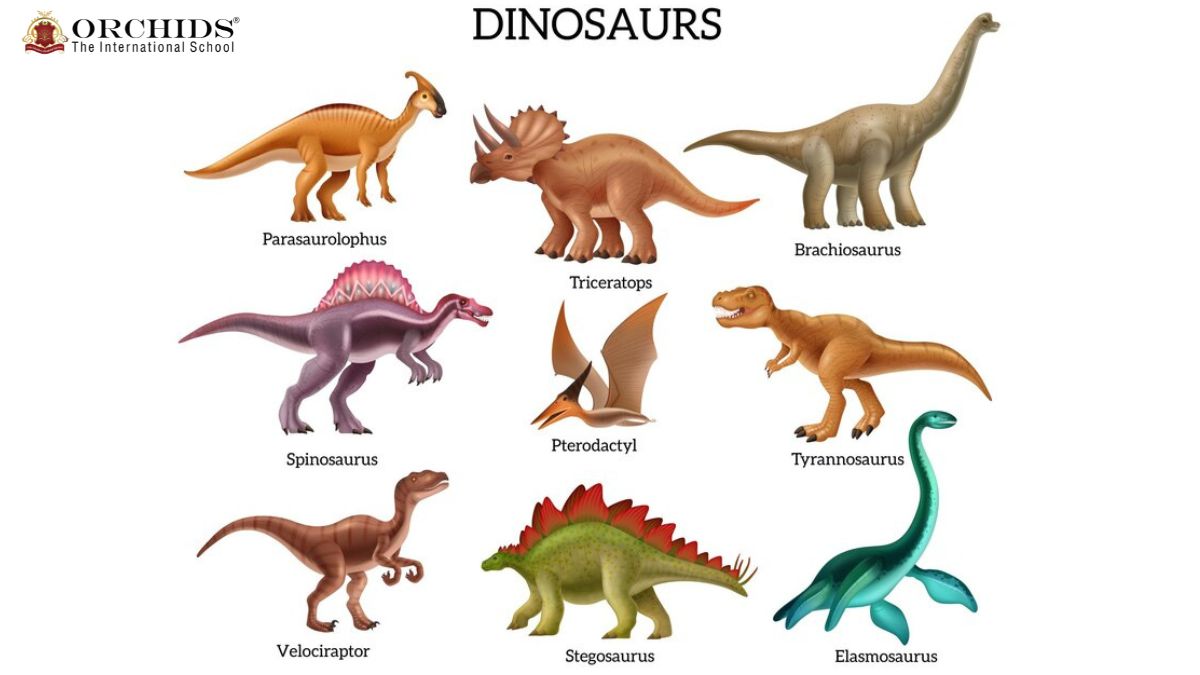
The Dino Images seen above the page will be talked about in the paragraph below. Just to add, there is a clock below this sentence.
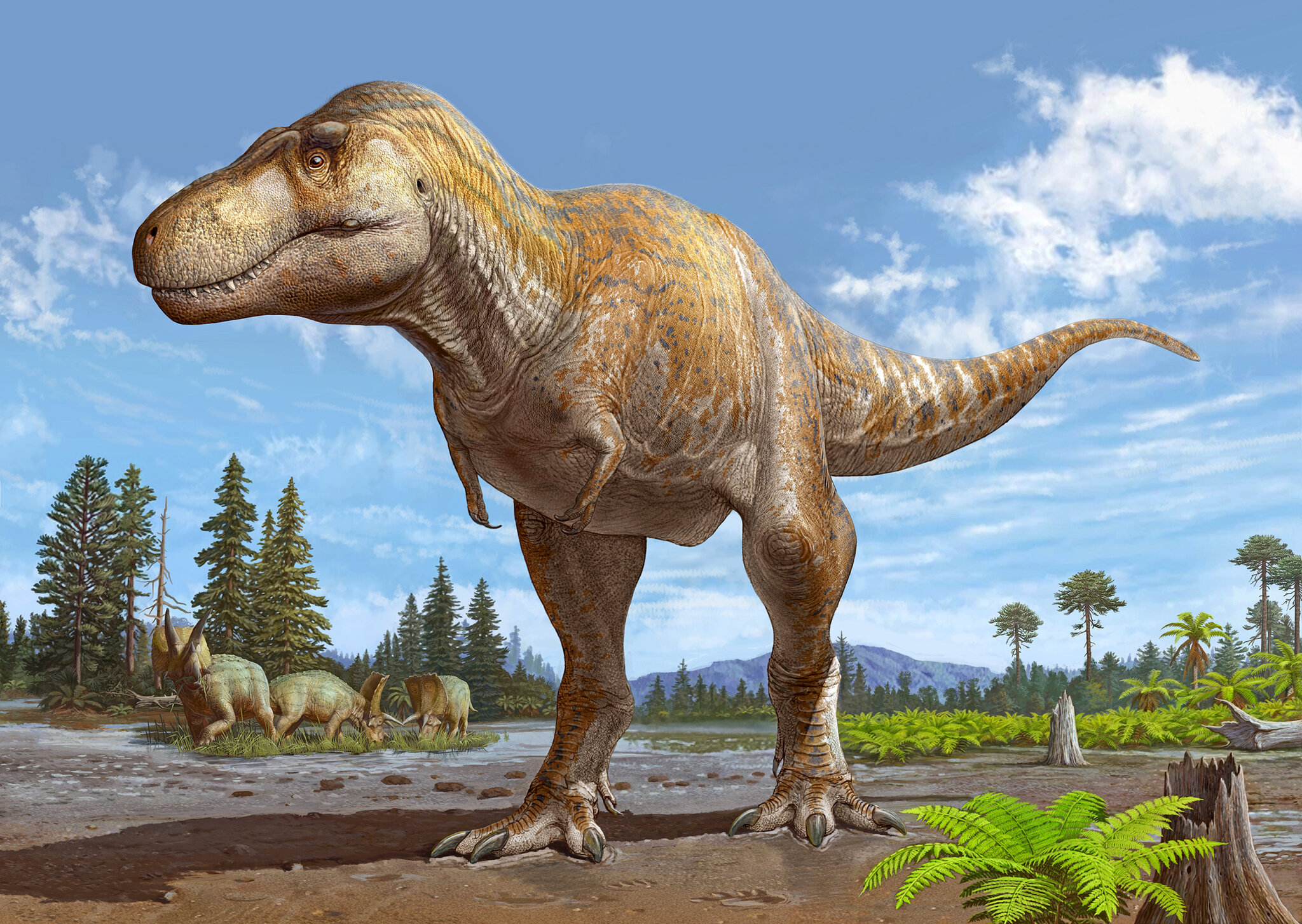
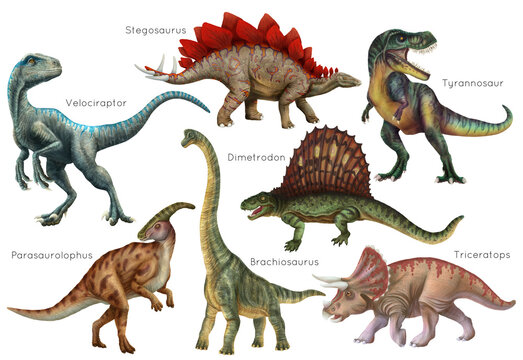
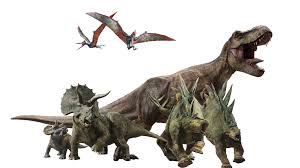
In the first of the 2 images I have for this site page, you can see 9 of the most well-known and popular dinos around. First, we have the Parasaurolophus, also called the Parasaur whose crest can make vibration sounds for communication or defense. Next, we have the Triceratops and it's 3 horns on it's head for defense. Next, the Brachiosaurus, known for being one of the tallest dinos because of it's long neck. We also have the Spinosaurus, whose spine is used for attracting mates, keeping cool, and most importantly to swim around in water. Next up is the most well-known Pterodactyl, who are not really classified as dinosaurs, but pterosaurs. Next is the velociraptor, who is one of the smartest dinos, and a very fast one too. Next, we have the stegosaurus, who spikes on it's back is used for intimidation against predators and keeping cool. We then have the Elasmosaurus, who lives only in water and agile and efficient swimmers. Finally, we have the Tyrannosaurus, or T-rex for short, who are the king of dinos and the most ferocious dinos alive, before the meteors that is.The second of the 2 images we have the might Tyrannosaurus, or T-rex for short. The T-rex, as I said before, is the king of dinos as it is the most dominant and powerful apex predator of all time. It is a dangerous, meat-eating carnivore can bite it prey with it's sharp teeth and can take them down with one bite. It's most common prey is with it's rival, the Triceratops, as you see in the image with a few of them in the background of the T-rex. Also in the picture, it also leaves destruction wherever it goes and breaks stuff every time it hunts or fights, like those broken trees in the image. The T-rex is the most popular and well-known dinosaur of all time.
The Dino Roar and Video Talk
The sound audio above is the sound of a dinosaur's roar. It is how the dinos sound back long ago before the dinos died. It may sound like something else like it relatives or a lion's, but it not. It sound like the way it is because since they don't know the actual sound of it's roar, movies like Jurassic Park use vocalization from other animals too, like it ancestors the birds and crocodiles. Some paleontologists believed dinosaurs couldn't roar due to lack of evidence, but instead thought they made closed-moth sounds like boons, rumbles, and growls, though some scientists do believe that dinos could have possibly have roars back then, though without proper research, it is possibly unlikely for them to.The dinosaurs make the sounds of growls and roars for various purposes in their species. The main reason they roar is a warning to others, especialy predators, that they are coming. It's a sign that they are around and that it's enemies and prey should run as they are in fear of an attack or threat. They also use those sounds to communicate to each other, like warring there groups of danger or telling them of a hunting activity. Some use their roars and growl sounds to attract mates and bond with each other. These roars are used as signals for body language to tell them about something important. The roars and growls are also used by leaders to command their packs to make them do as they say and show leadership and respect form the group. Their roar is very loud and sounds very fearsome to hear.
In this part of the site, I have for you a video documentary about dinosaurs in our planet back then. It mainly talks about dinos through a tv show called Prehistoric Planet, which aired a few years ago and currently has 2 seasons of the show, with a third one airing this November called Prehistoric Planet: Ice Age. This video will show you some interesting dinosaurs and their facts through clips of not just the show, but through some clips from other movies like Jurassic Park. This video will also talk about stuff from the show and you might know if it is good or not for you to learn about dinosaurs.In the video it talks about some stuff about dinos that are in Prehistoric Planet. The video talks about the behavior of herbivores and carnivores and that some can be calm and some can be tough, despite what they and what they eat. The video also shows us what dinosaurs and other prehistoric creatures lived back then, as well as where they lived in Prehistoric Planet. This video will talk about the way the dinosaurs truly acted despite what movies showed how they wanted them to act, along with some facts about them as well. This video is for dino-lovers out there who would want to see some great things about dinosaurs, and maybe see if that documentary would want to see Prehistoric Planet if this makes you interested or not.
Image gallery
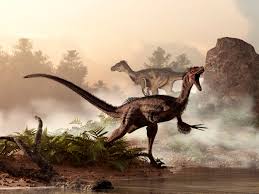
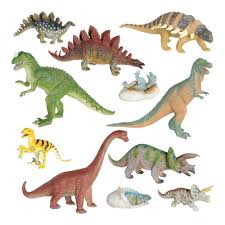
There is a image gallery of many dinosaur pictures next to this paragraph, and it shows many dinosaurs that lived long ago.
Get in touch
Send a Message by writing down a comment with your name, email, and phone number about any questions you have for this website.
© Dominic Race. All rights reserved. Design: HTML5
UP.